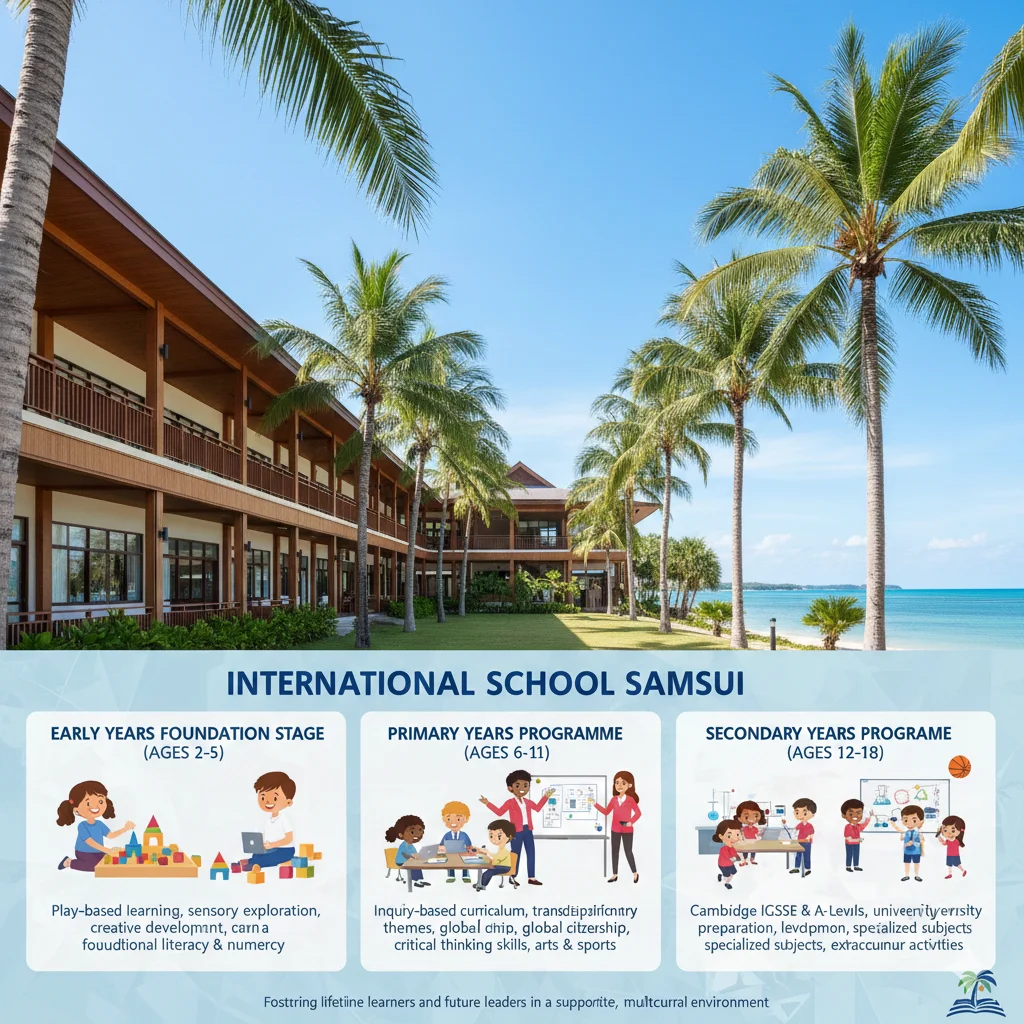

Thinking about sending your child to an international school in Samui? You might hear parents say things like “It really makes them independent” or “They come out so confident.”
But what does that really mean, and how does it actually happen? Let’s break it down in a modern, friendly way.
What Does “Confidence and Independence” Mean in Education Today?
In everyday school talk, confidence isn’t just “standing up in front of the class.” It’s about believing in your own abilities, speaking up, and taking on challenges without fear of failing.
Independence goes beyond doing homework alone. It’s about making decisions, managing your time, and handling real-life situations—even things like organizing a project or negotiating with friends.
Parents, teachers, and students use these words in TikTok videos, Instagram reels, parenting chats, and sometimes even dating apps—yes, some people jokingly brag, “My kid’s so independent, they can cook better than me!”
The Evolution of Confidence & Independence Programs
International schools in Samui didn’t start as confidence factories overnight. Over the last decade, the focus shifted from just academics to holistic growth.
Why do students relate to it? Because modern kids and teens crave ownership of their learning, not just rote memorization. Programs encourage problem-solving, team leadership, and creative thinking, making students feel capable and self-assured in any setting.
Polite, Casual & Romantic Uses
Believe it or not, phrases like “building confidence” or “learning independence” sneak into everyday speech in multiple ways:
Professional Examples:
- “Our Samui program really boosts students’ leadership skills.”
- “Graduates handle presentations like pros—they’re confident and independent.”
Friend Chat Examples:
- “OMG, my kid solved that science project solo! #independent”
- “They’re so brave—joined the debate team without anyone helping.”
Relationship Examples (Parent to Partner, Casual Romantic):
- “Seeing them grow like this is so attractive, honestly.”
- “I love how independent they are—it’s inspiring.”
Tone & Nuances
The terms carry different vibes depending on context:
- Playful: “Little Samui student is already bossing the group project 😎”
- Supportive: “You’ve got this! Confidence looks great on you.”
- Teasing: “Oh wow, acting all independent now?”
- Romantic: “Seeing your confidence shine is honestly cute.”
- Sarcastic: “Yeah, real independent… until homework hits 😂”
Why It Became Popular in 2026
Several reasons explain why parents and schools hype these programs today:
- Cultural Shift: Families now value life skills as much as grades.
- Social Media Trends: TikTok videos of students leading projects, giving speeches, or traveling solo go viral.
- Global Awareness: Expat families and international programs highlight independence as a must-have skill.
Alternatives & Similar Concepts
If you want to mix it up, these words work in different settings:
- Self-reliant – more formal, adult-friendly
- Self-assured – romantic or professional vibe
- Empowered – inspirational or social media posts
- Independent thinker – academic or creative contexts
- Go-getter – casual, playful, or motivational
Conclusion
Today, “confidence and independence” isn’t just a parenting buzzword. In Samui’s international schools, it’s a lived experience, built through teamwork, problem-solving, and creative freedom.
From TikTok captions to casual chats, these terms describe real growth—students stepping into life with courage, curiosity, and self-belief.
By choosing programs that foster these skills, parents aren’t just helping kids succeed academically—they’re helping them thrive in life, socially, and emotionally.