
If you’ve ever been chatting online and someone suddenly replies with “XD,” you might pause for a second and wonder… what does that even mean?
Internet slang moves fast, and new expressions pop up all the time. Some disappear quickly, while others stick around for years. “XD” is one of those classic internet expressions that has survived for a long time. Even though it’s simple, it carries a lot of personality.
In this guide, you’ll learn exactly what it means, how people use it, where it came from, and whether it’s still relevant today. By the end, you’ll feel confident using it (or choosing not to).
What Does XD Mean?
At its core, “XD” is a text-based expression that shows laughter or amusement.
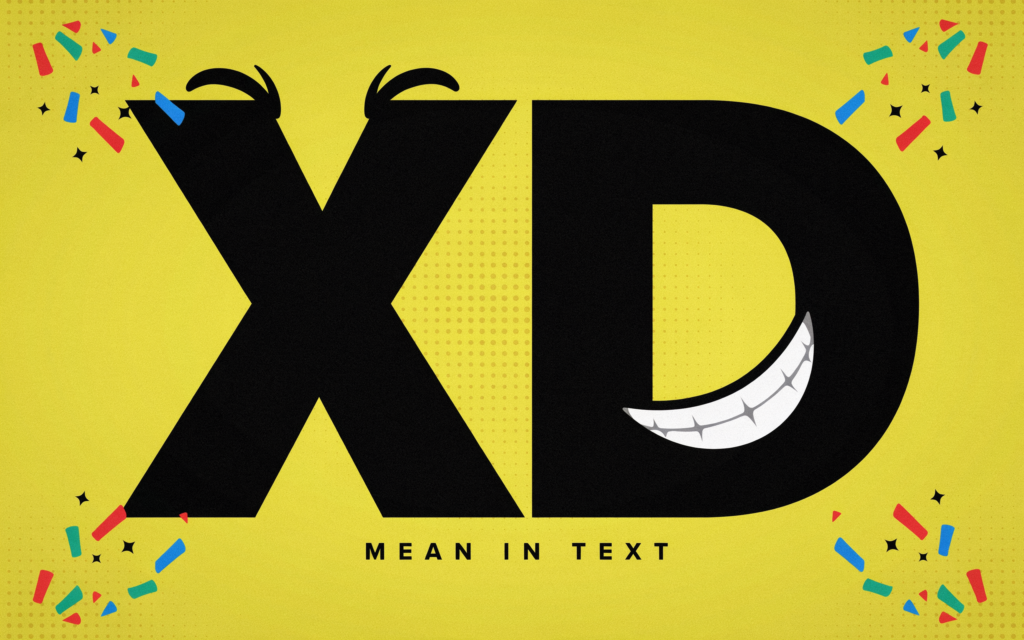
It represents a laughing face.
- The X stands for tightly shut eyes (like when you laugh really hard)
- The D stands for a wide open mouth
Put together, it looks like someone laughing hard with their eyes squeezed shut.
So when someone types “XD,” they’re basically saying:
- “That’s really funny”
- “I’m laughing”
- “That made me smile”
It’s similar to saying “LOL” or “haha,” but with a bit more visual emotion.
How to Read XD (The Right Way)
A lot of beginners get confused about how to read it.
You don’t read it as “eks-dee” in conversation (although some people jokingly say that out loud). Instead, you interpret it as a reaction.
Think of it like an emoji.
When you see it, your brain should translate it to:
👉 “laughing face”
It’s not meant to be spoken seriously—it’s meant to be felt.
Where Did XD Come From?
“XD” comes from early internet culture, back when people didn’t have easy access to emojis.
Before smartphones and emoji keyboards, users relied on keyboard characters to show emotions. These were called emoticons.
Some common ones you might recognize:
- 🙂 → smile
- 🙁 → sad
- 😉 → wink
- 😀 → big grin
“XD” became popular because it showed stronger laughter than a simple smile.
It started appearing in:
- Online forums
- Chat rooms
- Gaming communities
- Early messaging apps
Over time, it spread across social media and texting platforms.
Why People Use XD
People don’t just use it randomly. It has a tone.
Here are the main reasons someone might type it:
1. To Show Genuine Laughter
If something is actually funny, “XD” adds energy.
Example:
“That joke caught me off guard XD”
2. To Keep the Mood Light
Sometimes people use it to make a conversation feel relaxed and friendly.
Example:
“I forgot my password again XD”
3. To Avoid Sounding Too Serious
Text messages can feel cold. Adding “XD” softens the tone.
Example:
“You’re late again XD”
Without it, the sentence might sound annoyed. With it, it feels playful.
4. To Show Goofy or Silly Energy
“XD” often carries a slightly childish or goofy vibe, which can make conversations more fun.
Real-Life Examples of XD in Text
Let’s look at how it appears in everyday conversations.
Casual Chat
“I just tripped over nothing XD”
Gaming
“That match was chaos XD”
Friends Messaging
“You really said that out loud XD”
Social Media Comments
“This video made my day XD”
Notice how it usually comes at the end of a sentence.
Is XD Still Popular in 2026?
Here’s the honest answer: it depends on who you ask.
“XD” is not as trendy as it used to be, but it hasn’t completely disappeared either.
Where It’s Still Used
- Gaming communities
- Casual friend chats
- Nostalgic internet users
- Some meme cultures
Where It’s Less Common
- Professional conversations
- Formal texting
- Newer social media trends
Younger users often prefer emojis like 😂 or slang like “lmao” instead.
Still, “XD” has a retro charm. Some people use it on purpose because it feels classic.
XD vs LOL vs 😂 — What’s the Difference?
All of these express laughter, but they feel slightly different.
XD
- Visual and expressive
- Feels playful or goofy
- Slightly old-school
LOL
- More neutral
- Can sometimes feel automatic
- Not always genuine laughter
😂
- Strong emotional reaction
- Modern and widely used
- Clear meaning across cultures
So if you want something light and quirky, “XD” works well.
When You Should Use XD
It’s best used in relaxed, informal settings.
Good Situations
- Chatting with friends
- Online gaming
- Casual social media posts
- Joking conversations
Example
“You actually believed that? XD”
When You Should Avoid Using It
There are moments where it just doesn’t fit.
Avoid in:
- Job-related messages
- Emails
- Serious conversations
- Talking to someone you don’t know well
Example (Not Recommended)
“Dear Sir, I completed the report XD”
That would feel unprofessional.
Is XD Cringe?
Some people think so. Others don’t.
Here’s the reality:
- Older internet users see it as normal
- Some younger users see it as outdated
- Others use it ironically for humor
Language changes all the time. What matters is context.
If your friends use it, it’s fine. If they don’t, you might want to match their style.
Variations of XD
People sometimes play around with it to show different levels of emotion.
Common Variations
- XDD → extra laughter
- xD → softer version
- XD!!! → strong excitement
Each variation changes the tone slightly.
How XD Compares to Emojis
Emojis have mostly replaced emoticons, but “XD” still has a unique feel.
Emojis
- More visual
- Standard across devices
- Widely understood
XD
- Text-based
- Feels more personal
- Has nostalgic internet energy
Some people prefer “XD” because it feels less polished and more human.
Psychological Side: Why People Use It
This might surprise you, but small expressions like this actually serve a purpose.
When we talk face-to-face, we use:
- Facial expressions
- Tone of voice
- Body language
Text removes all of that.
So we replace it with things like:
- Emojis
- Slang
- Emoticons like “XD”
It helps prevent misunderstandings and adds emotion back into conversation.
Common Misunderstandings
Let’s clear up a few mistakes beginners often make.
1. Thinking It’s an Abbreviation
It’s not like “LOL” or “BRB.” It doesn’t stand for words.
2. Reading It Literally
It’s not meant to be spoken normally.
3. Using It Everywhere
Overusing it can make messages feel childish or forced.
Tips for Using XD Naturally
If you want to use it without sounding awkward, keep these simple tips in mind:
- Use it sparingly
- Only in casual chats
- Match the tone of the conversation
- Don’t force it
Think of it like seasoning—you don’t need it in every sentence.
A Quick Comparison Table
| Expression | Meaning | Tone | Modern Use |
|---|---|---|---|
| XD | Laughing face | Playful | Moderate |
| LOL | Laughing | Neutral | Very common |
| 😂 | Laughing hard | Strong emotion | Very popular |
| haha | Light laugh | Casual | Common |
Why XD Still Matters
Even though it’s not the newest trend, “XD” represents something important.
It’s part of internet history.
It shows how people communicated before emojis took over. And for many users, it still feels more expressive than modern alternatives.
In a way, using it today is like using a vintage style—it stands out.
Final Thoughts
“XD” might look simple, but it carries personality, emotion, and a bit of internet nostalgia.
It means laughter. It shows fun. It softens conversations.
You don’t have to use it all the time, but understanding it helps you read messages more accurately and connect better in casual chats.
If someone sends you “XD,” now you know—they’re laughing, smiling, or just enjoying the moment.
And if you decide to use it yourself, just keep it natural.
That’s really the secret to all internet slang.
Discover More Post
What Does WYF Mean in Text Real Meaning Examples 2026
395 Lizard Puns That Stick Out Like a Sore Thumb!